
A capable farmer with a workable plan and no access to affordable capital is the most ordinary problem in African agriculture. Zimo Clan exists to let a cooperative community fund that plan directly — with the farm verified first, the decision taken by vote, and the record left open.
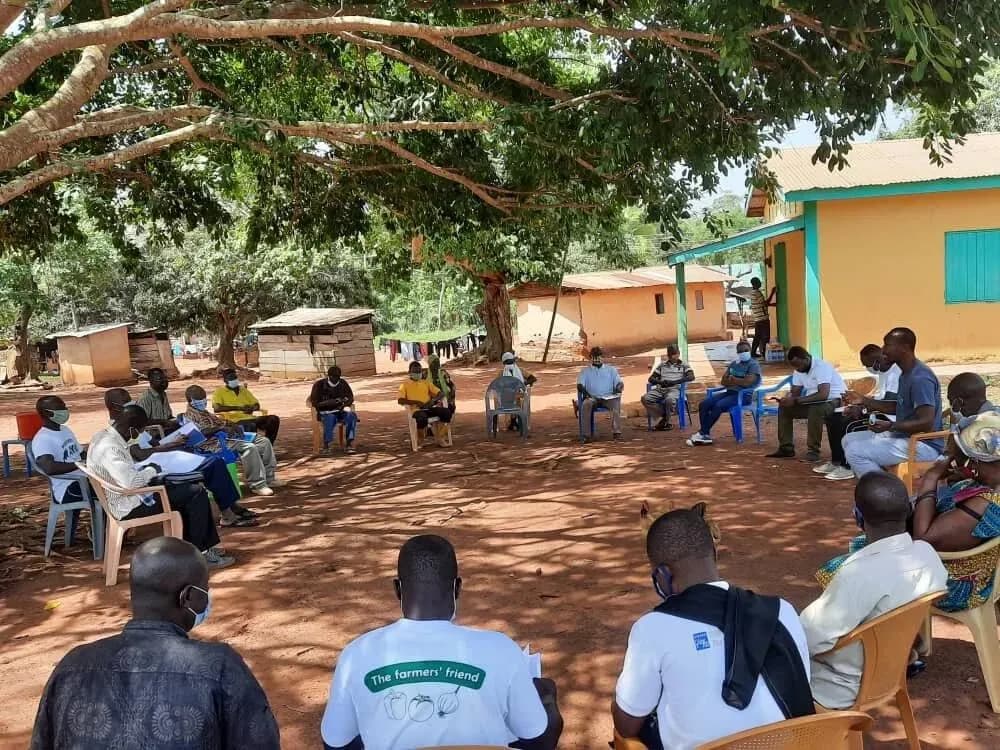
Decisions about which farms get funded are taken by the membership, in the open.
Smallholders across the continent run viable operations and still cannot reach the working capital a cycle needs. Where formal credit exists it is slow, expensive, and often secured against land a farmer cannot afford to risk.
The usual answers have not closed that gap. A lender needs collateral and a credit history. A donor programme ends when its funding cycle does. Neither leaves the farmer with a relationship they can come back to for the next cycle.
A cooperative can. It already has the membership, the local knowledge to judge a proposal, and a reason to care whether the farm is still producing in three years. What it has lacked is the infrastructure to verify a farm properly, put a proposal to its members, and account for the result in the open.
That infrastructure is what Zimo Clan is.
Zimo Clan was developed through collaboration within the MAISTRADE cooperative ecosystem, and is powered by Heraja's HAOS infrastructure. Membership, decision-making, technology and production are kept apart on purpose — so that no single one of them can quietly do another's job.
Cooperative membership
The cooperative framework a member actually belongs to. Membership is what makes someone eligible to take part or to vote — it is not bought on this website, it comes through a cooperative in the ecosystem.
Digital participation
This platform. Where approved projects are listed, where a member sees the verification behind a farm, and where they choose what to take part in and to what extent.
Community governance
The decision-making body. A proposal is raised over a verified farm, seconded by other members, argued for and against on the record, and then voted on. Projects do not get approved administratively.
Operating infrastructure
The agricultural operating system underneath everything — the software coordinators use in the field, where farm records and daily reports live, and where a completed cycle is accounted for.
Real production
Verified farms with real land, real livestock or crops, and real operators. Every project on this platform is attached to one, and the evidence a member reads comes from there.
ZIMOVERSE is the ecosystem participation and rewards programme. It is deliberately separate from Zimo Clan: taking part in a farming project is a cooperative decision with money attached, while ZIMOVERSE rewards engagement across the wider ecosystem. Keeping them one brand made the rewards programme look like a way to fund farms, which it is not.
Today ZIMOVERSE runs as a digital farm and asset experience, where members build up holdings and earn participation rewards. It is growing toward covering the rest of the ecosystem — learning, referrals, governance participation and marketplace activity — and what earns a reward is configured rather than fixed, so that list can change without a new release.
On a page about trust, the boundaries matter more than the claims. Every line here is something this platform genuinely does not do.
The six steps from a coordinator's farm visit to the distribution of a completed cycle.